
Marine Salvage Company in Egypt
Recovery of sunken vessels, cargo, and equipment
Suez-based team 18+ years' experience Response within 24 hours
Overview
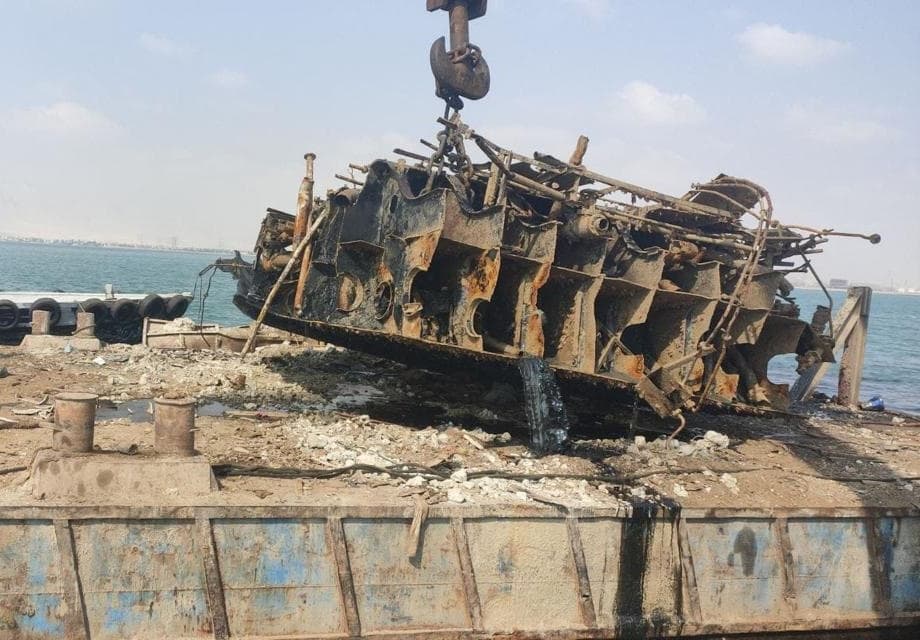
Almancy carries out professional marine salvage and wreck removal across Egypt, the Suez Canal, and the Red Sea. Our salvage teams recover sunken and stranded vessels, cargo, and equipment using controlled lifting, pneumatic refloating airbags, hull patching, and dewatering, backed by detailed site assessments and engineered recovery plans. We respond to groundings, capsizes, and navigational obstructions with a focus on safety, restoring clearance, and protecting sensitive reef and coastal environments. From emergency response on busy shipping lanes to planned wreck removal and environmental clean-up, we coordinate divers, cranes, and marine assets to deliver efficient recoveries that get waterways and operations back to normal.
Features
- Vessel recovery and refloating
- Cargo and equipment salvage
- Wreck removal
- Emergency response
- Environmental protection measures
Benefits
- Experienced salvage team
- Specialized recovery equipment
- Site-specific recovery planning
- Minimal environmental impact
- Compliance with maritime regulations
Related Services
Salvage Operations: Frequently Asked Questions
Questions we are asked most often about salvage operations.
How is a sunken or grounded ship refloated?
How do salvage airbags work?
What should you do when a ship runs aground?
How much does wreck removal cost?
Can you recover vessels in reefs or environmentally sensitive areas?
Salvage Operations Case Studies
See documented examples of salvage operations work and the scope of each project.
 Salvage
Cedar Queen Tugboat Stranding & Recovery
Emergency salvage operation for the Cedar Queen tugboat that ran aground, requiring precision refloating techniques and damage assessment.
Read case study Dismantling
Shahd Cleopatra Vessel Dismantling Project
Complete dismantling and removal of the Shahd Cleopatra vessel, requiring precision cutting and environmental safety measures.
Read case study Salvage
Stranded Supply Vessel Salvage Operation
Recovery of a stranded supply vessel in challenging shallow water conditions, requiring specialized salvage techniques.
Read case studyStart Your Project
Need salvage operations you can rely on?
Tell us about your site and timeline. Our diving team responds fast with a clear scope and a free, no-obligation quote.