Diving Regulations

Suez Canal & Egyptian Port Compliance Guide

Compliance & Standards

Commercial diving operations in Egypt are governed by a combination of local regulations, international standards, and authority-specific requirements. This guide provides an overview of the key regulatory frameworks that govern underwater operations in Egyptian waters, with particular focus on the Suez Canal and major ports.

Last Updated: January 15, 2024

Suez Canal Diving Regulations

The Suez Canal Authority (SCA) maintains strict regulations for all diving operations within the canal zone. These regulations ensure the safety of divers, vessels, and continuous canal operations.

Permit Requirements

All commercial diving operations in the Suez Canal require prior authorization from the SCA. Permit applications must be submitted at least 72 hours in advance and include: detailed work scope, diving contractor credentials, equipment specifications, safety plans, and emergency procedures. Operations near the main navigation channel require additional coordination with vessel traffic services.

Diver Certification Standards

Divers operating in the Suez Canal must hold valid commercial diving certifications recognized by the SCA. Accepted certifications include IMCA, ADCI, and equivalent national certifications from recognized maritime authorities. All divers must demonstrate minimum experience levels based on the type of work: surface-supplied operations require 2+ years experience, and saturation diving requires 5+ years.

Equipment Standards

Diving equipment used in Suez Canal operations must meet international standards and be certified by recognized classification societies. Surface-supplied diving systems must include redundant air supplies, voice communication, and diver tracking systems. All equipment must undergo annual inspection and certification by approved service providers.

Operational Restrictions

Diving is prohibited within 500 meters of vessels under way in the main channel. Night diving requires additional lighting and enhanced safety protocols. Diving in current velocities exceeding 1.5 knots requires special authorization. Emergency dive stops must be immediately reported to the SCA control center.

Egyptian Port Authority Requirements

The Egyptian Maritime Safety Authority (EMSA) and individual port authorities regulate commercial diving activities within Egyptian ports. While specific requirements may vary between ports, core requirements are standardized.

Contractor Registration

Commercial diving contractors must be registered with EMSA and the relevant port authority. Registration requires proof of insurance, safety management system certification, equipment inventory, and personnel qualifications. Annual renewal is required, with updated documentation submitted 30 days before expiration.

Pre-Dive Notifications

Port authorities require advance notification of diving operations, typically 24-48 hours depending on the port. Notifications must include: diving location coordinates, work description, vessel/support craft details, dive team composition, and estimated duration. Harbor master approval is required before operations commence.

Safety Zone Requirements

Active diving operations must maintain safety zones with appropriate marking. Signal flags (Alpha flag) must be displayed on all dive support vessels. In high-traffic areas, guard boats may be required. Port vessel traffic services must be informed of dive operations and safety zone boundaries.

Environmental Compliance

Diving operations must comply with Egyptian environmental regulations. Hot work (welding, cutting) requires environmental impact assessment for certain activities. Waste management plans must be in place for all operations. Discharge of any pollutants during diving operations is strictly prohibited.

International Standards & Best Practices

Egyptian diving regulations incorporate requirements from international bodies to ensure alignment with global industry standards.

IMCA Standards

The International Marine Contractors Association (IMCA) provides guidance documents that form the basis for many Egyptian diving regulations. Key IMCA codes referenced include: IMCA D 014 (International Code of Practice for Offshore Diving), IMCA D 022 (Diving Equipment Systems Inspection Guidance), and IMCA D 052 (Diving Emergency Response Plan).

ADCI Consensus Standards

The Association of Diving Contractors International (ADCI) Consensus Standards are recognized for commercial diving operations. These standards cover diver training, medical requirements, equipment specifications, and operational procedures. ADCI certification is accepted as equivalent to IMCA for most Egyptian port operations.

Classification Society Requirements

Diving operations on class-maintained vessels and structures must comply with applicable classification society rules. Major classification societies with operations in Egypt include Lloyd's Register, DNV, Bureau Veritas, and ABS. Class surveyor attendance may be required for structural inspections and repairs.

Safety & Medical Requirements

Robust safety and medical protocols are mandatory for all commercial diving operations in Egyptian waters.

Diver Medical Fitness

All commercial divers must hold valid medical fitness certificates issued within the past 12 months. Medical examinations must be conducted by approved diving medical physicians. Divers over 40 years require additional cardiac screening. Any diving incident resulting in injury must be followed by medical clearance before returning to diving.

Emergency Response Requirements

Dive sites must have documented emergency response plans. Oxygen administration equipment and first aid supplies must be on-site. Nearest recompression chamber location must be identified, with transport arrangements pre-planned. Almancy maintains 24/7 access to recompression facilities in Suez and Alexandria.

Incident Reporting

All diving incidents and accidents must be reported to the relevant authority within 24 hours. Serious incidents require immediate notification and may trigger investigation by maritime authorities. Incident records must be maintained for minimum 5 years and made available for inspection.

Direct Answers

Frequently Asked Questions

What certifications are required for commercial diving in the Suez Canal?

Commercial divers must hold valid certifications from IMCA, ADCI, or equivalent recognized bodies. Minimum experience requirements apply based on the type of diving operation. All certifications must be current and verifiable.

How far in advance must I apply for a Suez Canal diving permit?

Permit applications must be submitted to the Suez Canal Authority at least 72 hours before the planned operation. For complex operations or those affecting navigation, longer lead times may be required.

Are there depth limitations for commercial diving in Egyptian ports?

Surface-supplied diving is typically permitted to 50 meters. Diving beyond 50 meters requires saturation diving systems and additional permits. Some port areas have specific depth restrictions based on local conditions.

What insurance is required for commercial diving operations?

Commercial diving contractors must maintain professional liability insurance, diving accident coverage, and general liability insurance. Minimum coverage amounts are specified by EMSA and may be higher for certain ports or operation types.

Can foreign diving contractors work in Egyptian waters?

Yes, foreign contractors can operate in Egypt subject to registration with EMSA and compliance with all local regulations. Foreign personnel must have valid work permits the relevant diving certifications recognized in Egypt.

What are the requirements for underwater welding in Egyptian ports?

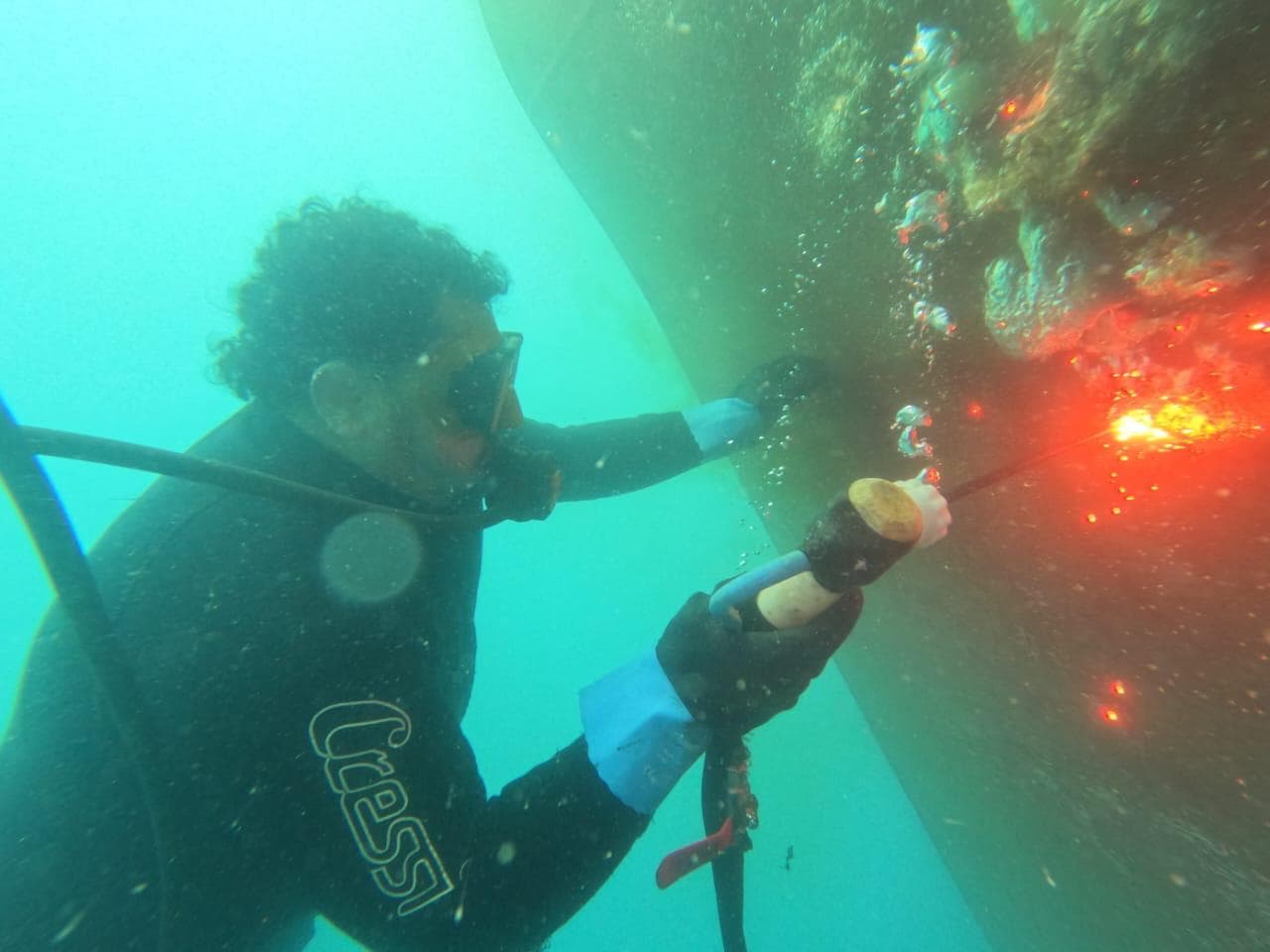
Underwater welding requires additional permits, certified welders, and compliance with hot work procedures. Welder qualifications must be verified, and work must comply with applicable standards (AWS D3.6, DNV, or equivalent). Environmental assessments may be required.

Regulatory Disclaimer

This guide is provided for informational purposes only. Regulations are subject to frequent changes. Operators must verify all current requirements with relevant authorities. Almancy specializes in assisting clients through these complex regulatory landscapes.

Compliance Partners

Need help with regulatory compliance?

Almancy has extensive experience navigating commercial diving regulations in Egypt. Let our experts handle the red tape so you can focus on your operations.

Suez Canal Authority • Alexandria Port Authority • Damietta Port Compliance